Source UFO Mold Solutions for Household, Electronic, and Car Parts
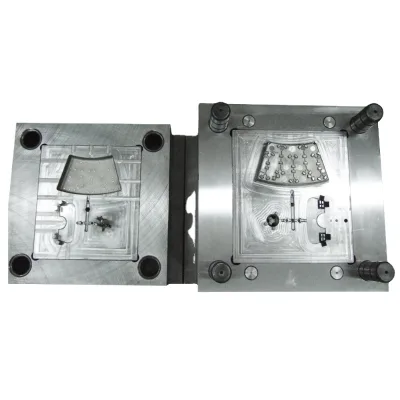
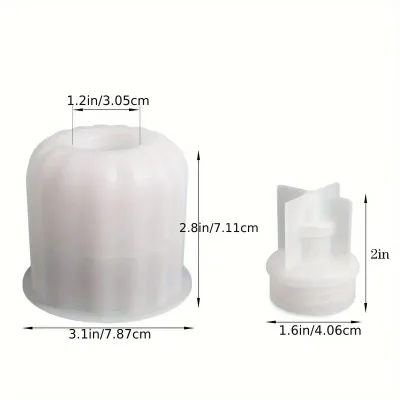
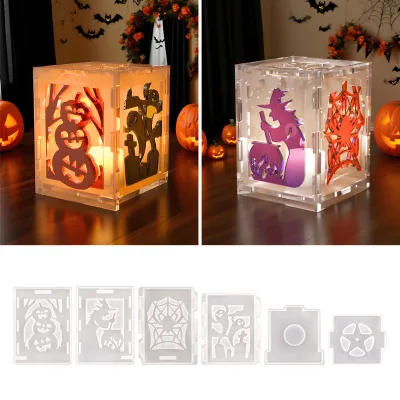
Explore 30 listings for ufo mold components tailored for injection molding applications. Compare specifications for PVC, ABS, and PP materials across single cavity designs. Evaluate options for household appliances, electronics, and automotive hardware with fixed installation and hot runner systems.
Key considerations
Products List








Comprehensive Sourcing Guide
UFO Mold Sourcing Guide
Buyers evaluating UFO mold solutions must first distinguish between general injection molding capabilities and specialized tooling for unique geometries. The observed market data indicates a strong presence of manufacturers in Dongguan, China, offering single-cavity molds designed for household appliances, electronics, and hardware components. These suppliers frequently utilize Pro-E and UG design software to create precise tooling that adheres to HASCO standards, ensuring compatibility with established industry practices.
When initiating a search, procurement teams should verify that the supplier explicitly supports customization based on specific drawings or samples. The available product listings suggest a focus on transparent and colored plastic materials, including PVC, ABS, and PP, which are critical for applications ranging from commodity goods to furniture. Understanding these material and design constraints early prevents mismatches between the intended end-use and the mold's physical capabilities.
Product Scope and Observed Listing Signals
The current market listings reveal a diverse range of product models, from generic identifiers like "4" and "02" to specific codes such as KD-H9685 and FD-series variants. These models often correspond to distinct applications, including toys for children aged 3-8 years and general recreational items requiring lightweight, aerodynamic structures. Buyers must carefully map these model numbers to their specific production needs, as the scope extends from prototype molds to full-scale sample manufacturing.
Listing signals also highlight the importance of runner systems and surface finishes in defining product value. Most observed listings specify hot runner systems and polishing processes, which are essential for achieving high-quality surface finishes on transparent or colored parts. Additionally, the availability of silk-print imprinting and various surface treatments indicates that suppliers can accommodate complex aesthetic requirements beyond basic structural molding.
Technical Specifications to Verify
Technical due diligence requires confirming the specific shaping mode and process combination type for the intended production volume. The observed data points to injection molding as the primary shaping mode, typically executed in a single-process mode to maintain efficiency. Buyers should verify that the supplier's design software, whether Pro-E or UG, aligns with their internal engineering standards to ensure seamless data exchange and accurate mold fabrication.
Material compatibility is another critical verification step, as the listings show a mix of PVC, ABS, and PP materials. Procurement teams must ensure the selected mold is rated for the specific thermal and mechanical properties of the chosen plastic. Furthermore, the installation method is noted as fixed, which implies that the mold design must accommodate specific machine platen configurations and clamping forces required for stable operation.
Compliance and Safety Documentation
Safety and compliance documentation is paramount, especially for products intended for children or household use. The observed listings explicitly mention Environmental and Non-Toxic certifications, alongside RoHS and ISO 9001 standards, which are essential for verifying that the molded parts meet international safety requirements. Buyers must request current certificates to confirm that the supplier's quality management systems are actively maintained and not merely historical claims.
Beyond material safety, the physical and mechanical properties of the final product must align with regulatory expectations for durability and performance. For recreational items, the lightweight design and aerodynamic structure are key features that require validation through testing. Ensuring that the supplier can provide evidence of non-toxic materials and adherence to ISO 14001 environmental standards helps mitigate liability risks associated with product recalls or safety incidents.
Cost Drivers and Commercial Terms
Cost structures for UFO molds are heavily influenced by the complexity of the design software used and the specific material requirements. The observed price range spans from $0.50 to $20,000, reflecting the vast difference between simple prototype molds and complex, multi-cavity production tools. Buyers should analyze whether the lower price points correspond to single-cavity setups or if higher costs are justified by advanced features like hot runner systems and specialized surface finishes.
Commercial terms regarding lead times and minimum order quantities (MOQ) vary significantly across the market. While some listings indicate a lead time of 15-20 days, others specify 30 days, and MOQs can range from 1 to 3,000 units. Procurement teams must negotiate clear delivery dates and understand how customization requests might extend these timelines. Additionally, packaging specifications, such as PP bags or cartons, should be factored into the total landed cost calculation.
Supplier Qualification and Quality Control
Supplier qualification should focus on verifying the origin and manufacturing capabilities of the facility. The majority of observed suppliers are located in Dongguan, Guangdong, China, a hub known for its extensive injection molding infrastructure. Buyers must confirm that the supplier's standard production processes align with the HASCO standard and that they possess the necessary equipment to handle the specific plastic materials required for the project.
Quality control protocols must be established to ensure consistency across production runs. The observed listings mention a one-year guarantee, which serves as a baseline for supplier confidence in their tooling. However, buyers should implement their own inspection criteria, including checks on the molding cavity count and the precision of the surface finish. Regular audits of the supplier's design and manufacturing workflows are essential to maintain the integrity of the final product.
Long-Term Procurement Checks
Long-term procurement success depends on maintaining a robust relationship with suppliers who can adapt to evolving design needs. The availability of customization services allows for iterative improvements in product design, but buyers must ensure that the supplier remains responsive to changes in material specifications or production volumes. Establishing a clear communication channel for design updates is crucial for sustaining a reliable supply chain.
Finally, buyers should regularly review the supplier's adherence to evolving standards and certifications. As regulations change, particularly regarding environmental compliance and material safety, the supplier must demonstrate their ability to update their processes accordingly. Continuous monitoring of the supplier's performance against the initial guarantee and delivery timelines ensures that the partnership remains viable and that the quality of the UFO molds remains consistent over time.
FAQs
What customization options are available for ufo molds?
Customization is available for ufo molds, allowing buyers to design per drawing or sample. The process supports single cavity configurations and utilizes design software like Pro-E and UG. This ensures the final product meets specific application needs for household appliances, electronics, or hardware components with tailored specifications.
Which plastic materials can be processed with these molds?
These molds are compatible with various plastic materials including PVC, ABS, and PP. The injection molding process uses a hot runner system and single-process mode. This versatility allows for the production of transparent or colored parts suitable for diverse applications ranging from commodity goods to furniture and home use items.
What is the typical lead time for delivery?
The typical delivery date ranges from 15 to 20 days for standard orders. Some configurations may require a lead time of up to 30 days depending on complexity. Buyers should confirm specific timelines based on the chosen model and customization requirements to ensure timely receipt of the manufactured mold components.
Are the molds certified for quality and safety?
Yes, the molds hold CE and ISO certifications, ensuring compliance with international standards. Additional standards include RoHS, ISO 9001, and ISO 14001. These certifications verify the manufacturing quality and environmental safety, providing assurance for buyers sourcing components for electronic, hardware, or household appliance applications in regulated markets.
Where are these ufo molds manufactured?
These ufo molds are manufactured in Dongguan, Guangdong, China. The location is a known hub for precision manufacturing and injection molding services. Buyers can source directly from factories in this region, benefiting from established supply chains and experienced production capabilities for high-quality mold components and related manufacturing services.
What is the minimum order quantity for these molds?
The minimum order quantity ranges from 1 to 3000 units depending on the specific product model. This flexibility accommodates both prototype testing and larger production runs. Buyers can select models like KD-H9685 or FD-5 based on their volume requirements, ensuring cost-effective sourcing for various project scales and customization needs.